Please urgently consider the possibility of the harmful illusions that you may encounter in your investigation of the Gregorian Bivolaru case, because if this happens, the possible fatal consequences that could arise from these subjective causes could lead to Gregorian Bivolaru’s death in prison, as, moreover, his enemies are currently predicting in the ultimatum letter they sent him, announcing that they want to assassinate him. Therefore, we implore you to be vigilant so that none of you become the instrument (even unconsciously) that could cause his death in the terrible conditions to which he is exposed in prison.
To help you understand the hidden and insidious role of the harmful illusions that you may encounter in the case of Gregorian Bivolaru, we feel it is necessary to clarify that harmful illusions refer not only to misleading perceptions, but also to prior beliefs that are clearly distorted by harmful prejudices. All harmful illusions give rise to a false and unfavourable interpretation of what is perceived. They give off a harmful appearance but are devoid of reality. This gives rise to various erroneous opinions or misleading beliefs. The result is a risk of misinterpretation.
In this case, it is Gregorian Bivolaru who will suffer the disastrous consequences of the harmful illusions you may encounter.
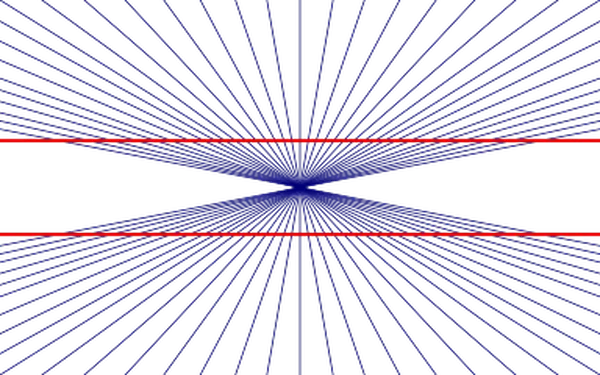
These consequences may even cost him his life. To help you understand what happens when a human being encounters a harmful illusion, we have used illuminating examples based on certain optical illusions that are, in their own way, astonishing. Please examine very carefully each of these optical illusions that deceive the vast majority of human beings because of the illusions that easily appear.